本文为英文原文。中文版尚在筹备中。
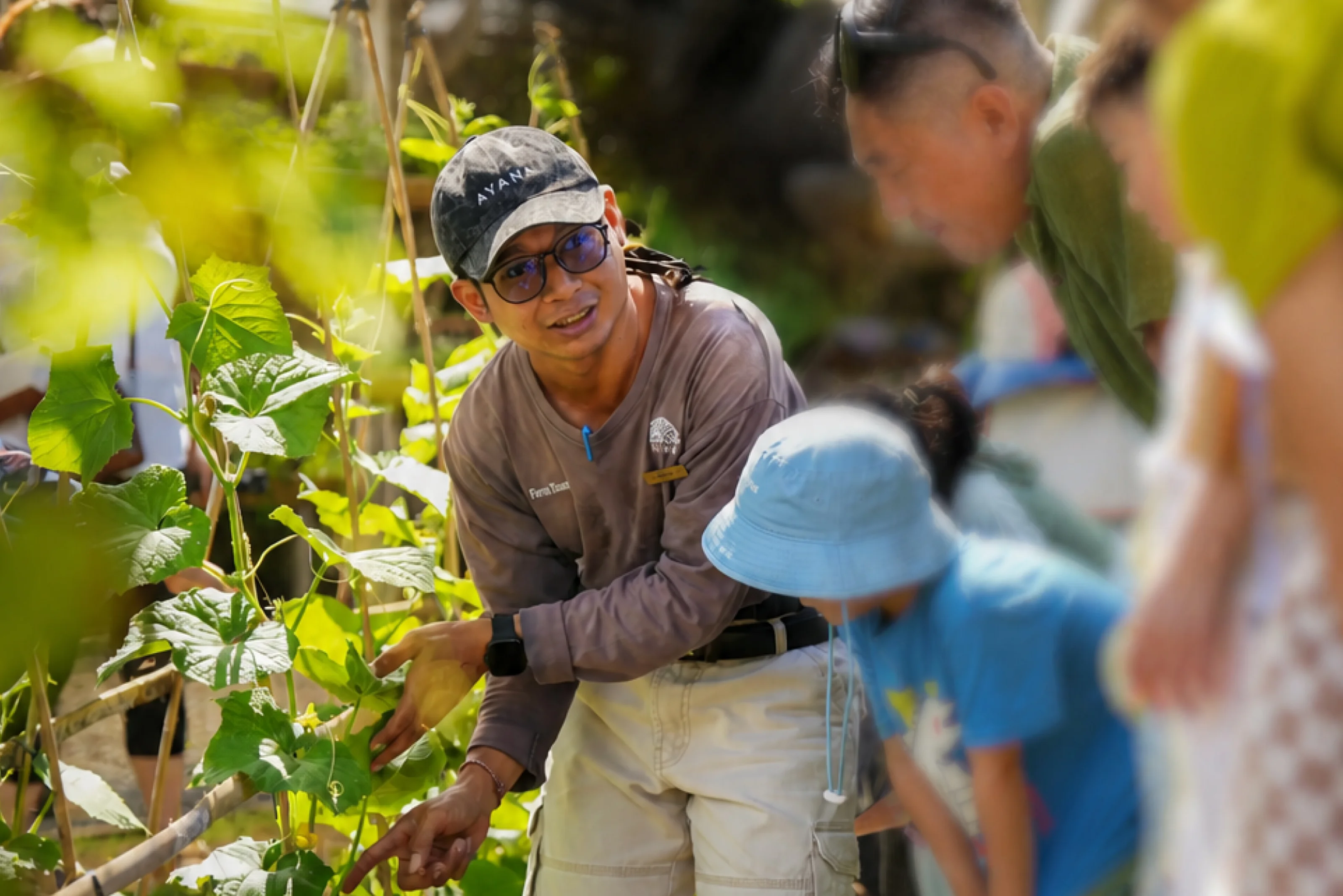
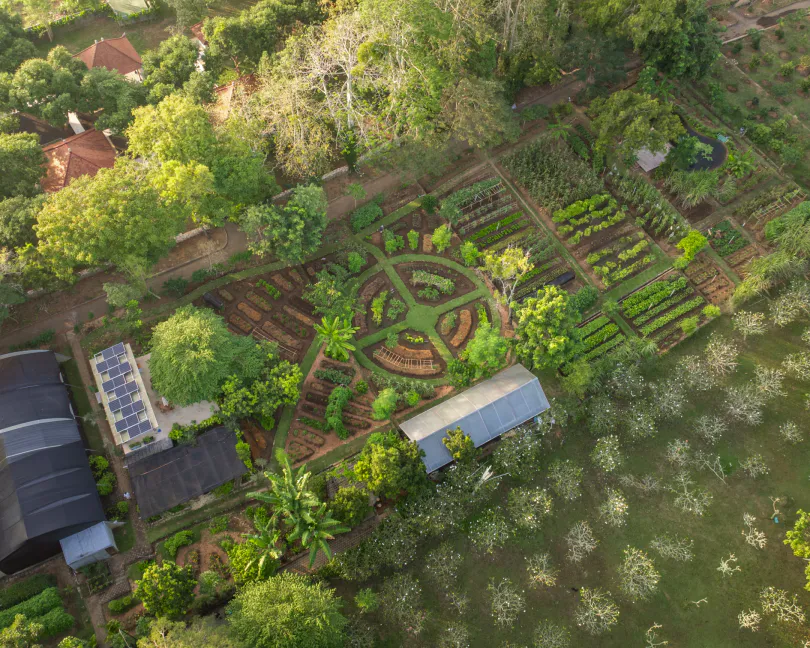
AYANA Farm is a two-hectare working organic farm in Jimbaran, growing more than 130 plant varieties using chemical-free methods on the grounds of AYANA Bali. For school groups, it is a place where sustainability stops being a subject and starts being something students can see, touch, and talk about.
The school visit program at AYANA Farm is designed for children aged 5 to 12, in groups of 10 to 30 students. The visit runs from 10:30 AM to 1:30 PM, taking students through the plant beds, nursery, pond, and compost station before gathering in the Living Lab for a hands-on activity and a group reflection. The crops are harvested daily for AYANA Bali's kitchens, and the guides who lead every visit work here every day.
School Visit at AYANA Farm: At a Glance
| Detail | Information |
|---|---|
| Open to | Children aged 5–12, in school groups |
| Group size | Minimum 10 students, maximum 30 students |
| Time slot | 10:30 AM – 1:30 PM (approximately 2–3 hours) |
| Supervision | 1 AYANA Farm Guide per 15 students (with at least 1 accompanying adult from your school per group) |
| Price | Rp 100,000 per person (students and accompanying adults) |
| Learning Themes | Sustainability, agriculture, Balinese cultural heritage. Contact us to discuss how we can adjust the visit around your class's needs. |
| Transport | School buses park at After Rock Parking; students transfer by buggy to the farm |
| Meals | Not provided. Students may bring light snacks. Infused water with seasonal ingredients provided by AYANA Farm. |
| Contact | ayanafarm.bali@ayana.com |
What the Visit Looks Like
School groups arrive at After Rock Parking, where they are welcomed with a briefing before transferring by buggy to the farm. School buses are accommodated at the After Rock parking lot for the duration of the visit.
From there, the next hour is spent on a guided educational walk through the different zones of AYANA Farm, led by our facilitators:
- Plant sections: where vegetables, herbs, and edible flowers are grown across plant beds using organic, chemical-free methods. With 130+ plant varieties growing side by side, students encounter familiar crops alongside heritage plants, medicinal herbs, and species they are unlikely to have seen before.
- The nursery: where seedlings are started and tended before transplanting. Students can see the early stages of a plant's life cycle and how young plants are prepared for the conditions of an open growing bed.
- The pond: a water feature maintained without chemicals, filtered through natural processes, and a habitat for local wildlife. A practical example of how water management and biodiversity can work together on a working farm.
- The composting area: where organic waste from AYANA Bali's kitchens, landscaping, and horse stables is broken down into the soil that grows the next crop. Students can observe the full circular process: waste in, nutrients out, returned to the earth. For a deeper look at how the composting system works, see our article on Waste to Soil: AYANA Bali's Hotel Composting Program at AYANA Farm.
After the tour, students move to the Living Lab for a hands-on activity (for example, creating rootballs) that connects directly to what they have just seen. This is followed by an interactive demonstration on sustainability, agriculture, or ecology, and a group reflection where students share observations and questions with our facilitators.
The program closes with a buggy transfer back to After Rock Parking, where students can enjoy their packed lunch on the bus.

Bringing Your Class Theme to the Farm
Visit Itinerary
| Time | Activity | Details | Location |
|---|---|---|---|
| 10:30–11:00 | Arrival & Orientation | Arrive at After Rock Parking for a welcome briefing, then transfer by buggy to the farm. | After Rock Parking → AYANA Farm |
| 11:00–12:00 | Farm Tour | Guided educational walk through plant sections, nursery, pond, and composting area, led by AYANA Farm facilitators. | AYANA Farm |
| 12:00–12:20 | Snack Time | Students enjoy school-provided snacks; AYANA Farm provides infused water with seasonal farm ingredients. | Living Lab |
| 12:20–12:40 | Hands-On Activity | A participatory activity in the Living Lab (such as creating rootballs) connecting to the morning's theme. | Living Lab |
| 12:40–13:00 | Reflection & Discussion | Group recap, shared observations, and closing discussion with our facilitators. | Living Lab |
| 13:00–13:30 | Closing & Departure | Farewell and buggy transfer back to After Rock Parking. Lunch can continue on the bus. | AYANA Farm → After Rock Parking |
AYANA Farm runs a designed visit program that takes students through the farm's key zones: plant sections, nursery, pond, composting area, and the Living Lab. Within that, our facilitators can place more emphasis on areas that connect to what your class is currently exploring.
If your students are learning about jamu and medicinal plants, for example, we will spend more time in that section. If the focus is food origins or composting, the facilitators will go deeper there.
When you get in touch to book, let us know your class's current theme. We will discuss what is possible before your visit.
The table below shows how the farm's zones naturally connect to common learning themes:
| Theme area | What students encounter | Where on the farm |
|---|---|---|
| Ecology & biodiversity | 130+ plant varieties in one working ecosystem; pond habitat; edible flowers; medicinal garden and more | Plant sections, pond, edible flower beds |
| Sustainability & food systems | Circular composting: organic waste returned to soil; chemical-free growing across the farm | Composting area, crop beds |
| Healthy eating & food origins | Students see, touch, and identify vegetables, herbs, and edible flowers before they reach a plate | Full farm tour, Living Lab |
| Balinese cultural heritage | Traditional agricultural practices; medicinal plants and their role in Balinese daily life | Medicinal plant section, facilitator-led discussion |
| Design & making | Hands-on activity such as natural dye painting, connecting plant material to creative process | Living Lab |

This is a guide, not a fixed menu. If your class is focused on something not listed here, get in touch and we can see how we can incorporate it into the visit.
What Is Included
Every school visit to AYANA Farm includes:
- Full access to AYANA Farm for the duration of the visit
- A guided educational tour led by AYANA Farm's experienced facilitators
- A visit shaped around your class's learning theme, discussed with our team in advance
- One hands-on activity in the Living Lab
- An interactive demonstration on sustainability or agriculture
- Drinking water infused with seasonal ingredients from the farm
Meals are not provided, and picnics are not permitted on the farm. Students are welcome to bring light snacks from school. We ask that all groups keep the farm area clean during their visit. Lunch can be enjoyed on the bus during departure.
Logistics for Teachers and School Coordinators
The school visit program is designed to be straightforward to organize. Here is what to know before you book:
- Group size: 10 to 30 students.
- Ages: Children aged 5 to 12.
- Supervision ratio: 1 AYANA Farm guide per 15 students.
- Price: Rp 100,000 per person (students and accompanying adults)
- Transport: School buses park at After Rock Parking. Students are transferred to and from the farm by buggy.
- Meals: Not provided. Students may bring light snacks. Infused water with seasonal ingredients provided by AYANA Farm.
- What students should wear: Comfortable outdoor shoes and sun protection. The farm's paths are grassy and uneven in places.
To book, contact the AYANA Farm team directly by email. Include your school name, the number of students and their age range, your preferred date, and the theme your class is currently exploring. The team will follow up to confirm availability and discuss how to shape the visit.
Book a School Visit to AYANA Farm
AYANA Farm welcomes school groups from across Bali throughout the year. To arrange a visit, get in touch with our team. We will confirm availability and work with you to shape the program around your class's theme before you arrive.
Email: ayanafarm.bali@ayana.com